
Residential locksmith needs usually fall into four categories: getting back inside, changing which keys work, repairing a failing lock, or improving the hardware. A qualified provider can advise after checking the door, lock condition and authorization to request service.
After moving: should the locks be rekeyed?
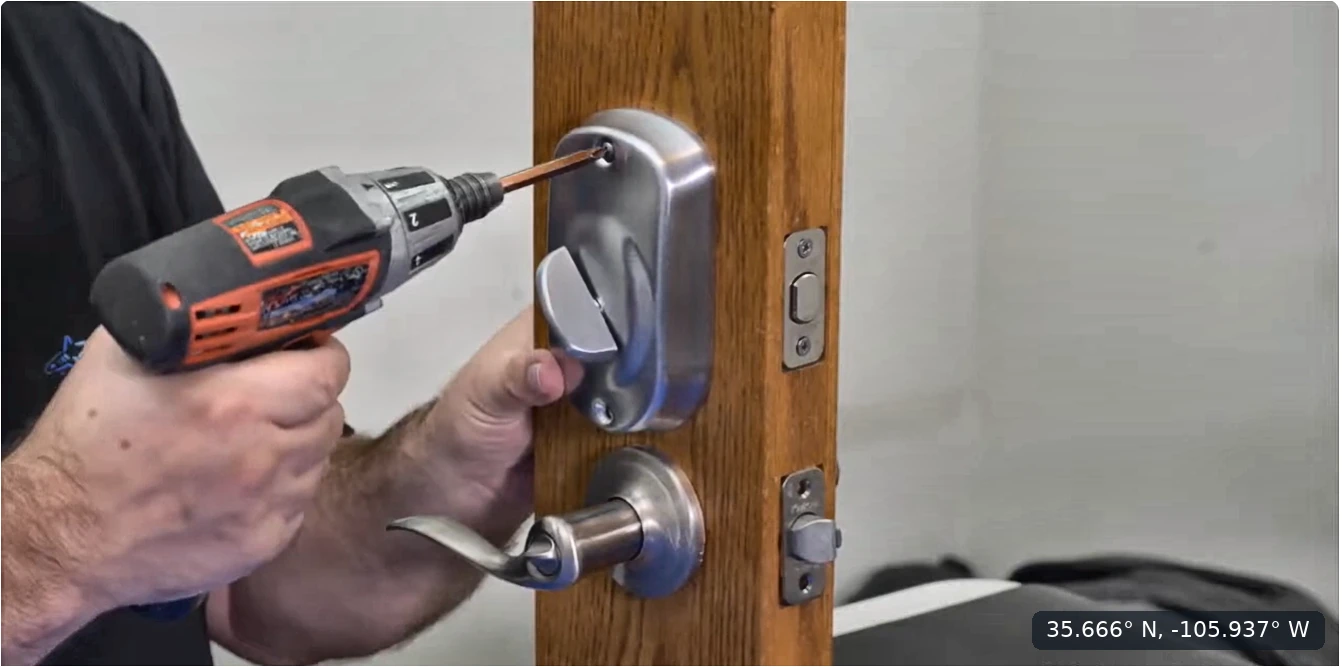
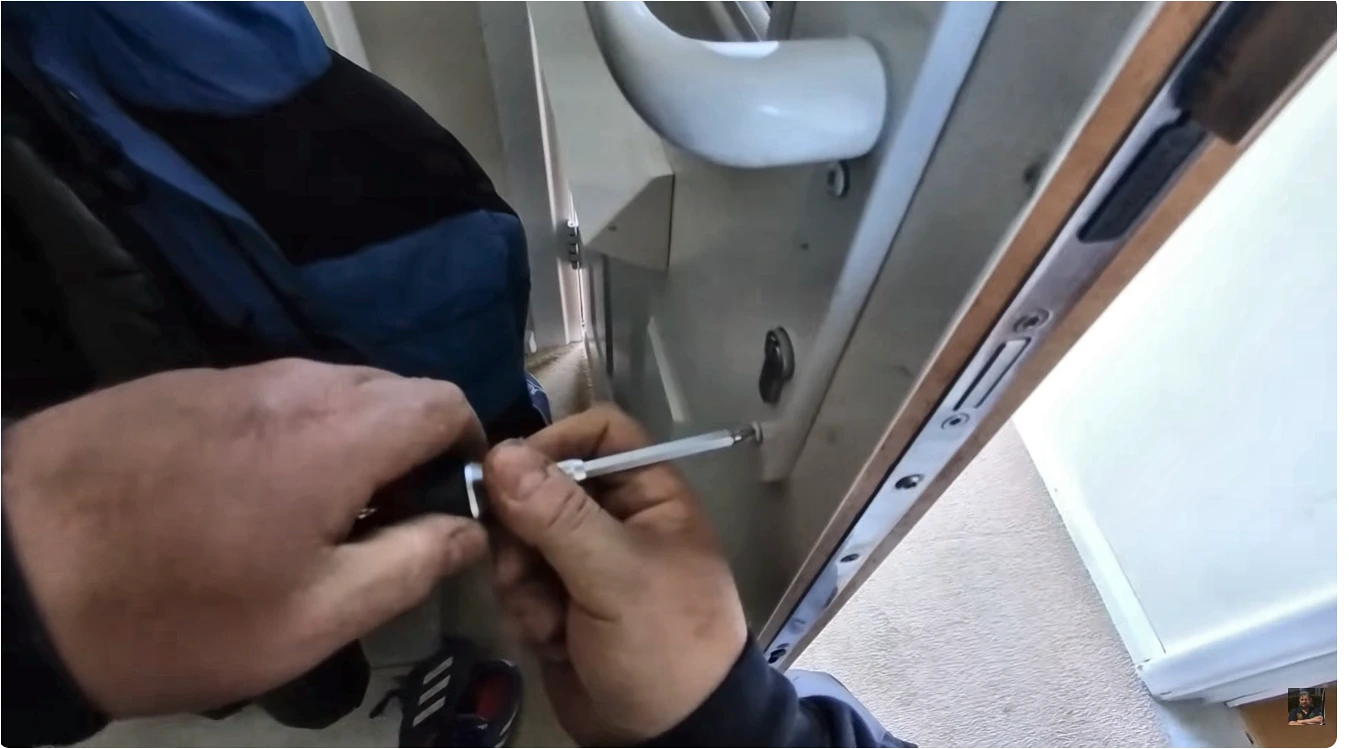
When you move into a Santa Fe house, condo or rental, you may not know who still holds keys. Rekeying can change the operating key without replacing a compatible and healthy lock. If a deadbolt is damaged, the keyway is worn or you want a different type of security hardware, replacement may make more sense. Ask the provider to explain the difference for each exterior door.
What does a home locksmith actually work on?
- House lockouts: Evaluating safe entry methods and the risk of drilling or replacing hardware.
- Rekeying: Changing the key combination within compatible cylinders and accounting for how many locks need the same key.
- Deadbolts and knobs: Diagnosing a sticky cylinder, latch, strike plate or alignment problem.
- Smart locks: Confirming door compatibility, battery status, keypad behavior and whether an electronic failure is actually a mechanical issue.
- Rental access: Coordinating with an authorized manager or owner before changing locks or keys.
A stiff lock isn't always a broken lock
If the bolt works with the door open but not when the door is closed, the latch or strike plate alignment may be involved. If the key won't turn even with the door open, there may be an issue with the cylinder or key. Tell the provider what you've tried without forcing the key or damaging the door.
Older homes and varied hardware in Santa Fe
The Historic District and Eastside include different door designs and property ages; newer homes and condos may use modern electronic hardware. The right approach depends on the actual installed lock—not the neighborhood. Share photographs only through a trusted provider's approved process, and confirm whether new hardware will fit the existing preparation.
Before a home locksmith visit
- State whether you're an owner, tenant or authorized manager, and ask what proof of access is needed.
- Count the doors and lock cylinders involved.
- Identify the lock brand or type, if visible, and describe the actual symptom.
- Ask if rekeying, repair and replacement can be quoted separately.
- Confirm trip charges and whether new keys or hardware are included.
Frequently asked questions
Can I use one key for all my house locks?
Sometimes, when the cylinders are compatible and suitable for the same key system. A provider should inspect the hardware before promising it.
Should I replace locks when I move?
Changing who has access is important; rekeying can be sufficient for serviceable, compatible locks. Replace damaged or unsuitable hardware when appropriate.
Can a landlord or tenant request a rekey?
Authorization depends on ownership, lease terms and the circumstances. Providers may need proof that the requester has the right to change property access.